Reduce Closet Decision Fatigue: Create a Closet That Works for Your Lifestyle

Think about how many decisions you make every day. From work responsibilities and family schedules to household tasks and errands, your brain is constantly processing information. The last thing you need is to start each morning feeling overwhelmed by a closet full of clothes but "nothing to wear."
A functional closet isn't about perfection. It's about creating a space that supports your lifestyle and helps you get dressed with less stress and more confidence.
One of the biggest causes of closet fatigue is holding onto clothing that no longer serves you. Many closets contain items that don't fit, don't match current lifestyles, require special care, or simply aren't worn anymore. Every time you sift through these pieces, your brain has to work harder to find what you actually need. Reducing the clutter allows your favorite and most frequently worn items to stand out, making outfit selection much easier.

Another important step is organizing your closet based on how you live today, not how you lived years ago. If you work from home, your casual and everyday clothing should be the easiest items to access. If you're retired, your closet may look very different than it did during your working years. Parents, business owners, frequent travelers, and active individuals all have unique wardrobe needs. Your closet should reflect your current lifestyle rather than an outdated version of yourself.
Functionality also means making frequently used items easy to find. Store the clothing, shoes, and accessories you reach for most often in the most accessible locations. Keep seasonal items, special occasion clothing, and rarely used pieces in secondary spaces. When everything has a logical home, you spend less time searching and more time moving through your day.
Many people feel pressure to maintain a perfectly organized closet at all times. The truth is that life happens. Laundry piles up. Seasons change. Busy schedules get in the way. Instead of aiming for perfection, focus on creating simple systems that are easy to maintain. An organized closet should work for you even during busy weeks, not become another task on your to-do list.
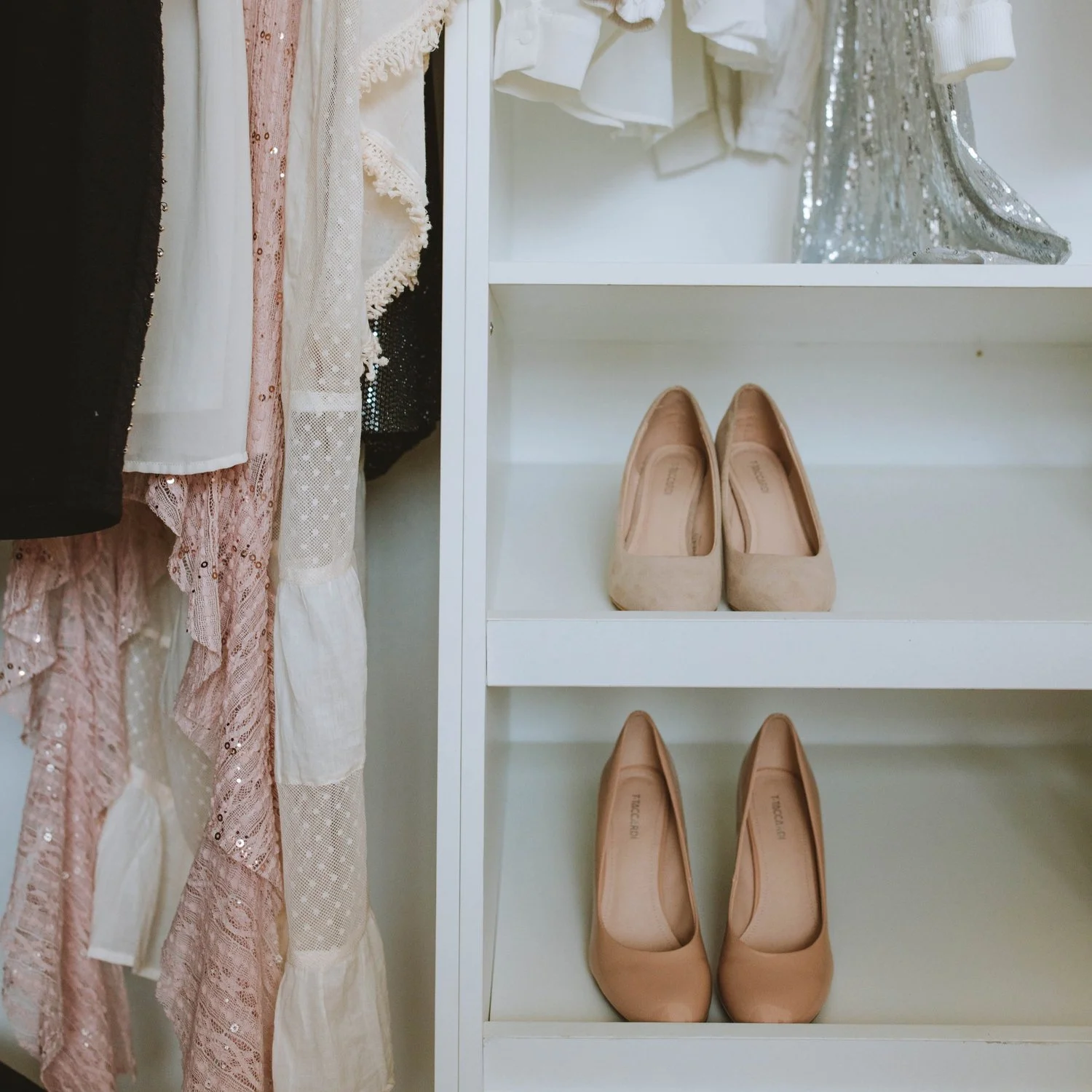
It's also helpful to create a wardrobe that offers flexibility. When your clothing coordinates well and reflects your daily activities, getting dressed becomes faster and less stressful. You don't need dozens of options for every occasion. Often, a thoughtfully curated collection of clothing that you love and wear regularly provides more value than an overcrowded closet full of rarely used items.
The goal isn't to have the most beautiful closet. The goal is to have a closet that helps you start your day feeling calm, prepared, and confident. When your closet supports your lifestyle, you eliminate unnecessary decisions, reduce daily stress, and create a routine that feels more manageable.
A functional closet is one of the simplest ways to reduce mental clutter. By focusing on what you wear, what you need, and how you live today, you can create a space that works for your life—not a picture-perfect version of someone else's.
If you need help getting started to create that closet that will fit your lifestyle and will stop the fatigue, please reach out to Julie for help.