How To Build a Creative Space That Works With You
A creative space doesn’t need to be large, perfectly styled, or filled with expensive supplies. What it does need is intention. The goal is to create an environment that supports how you actually think, work, and create—not how you think it “should” look. When your space aligns with your natural workflow, creativity becomes easier to access and much less forced.
Start by noticing how you create. Some people think best in visual clutter with inspiration around them, while others need clear surfaces to feel mentally open. There is no universal “right” setup. Pay attention to where you naturally place items when you’re in flow, what tools you reach for most often, and what consistently gets in your way. Your space should reflect those patterns, not fight them.
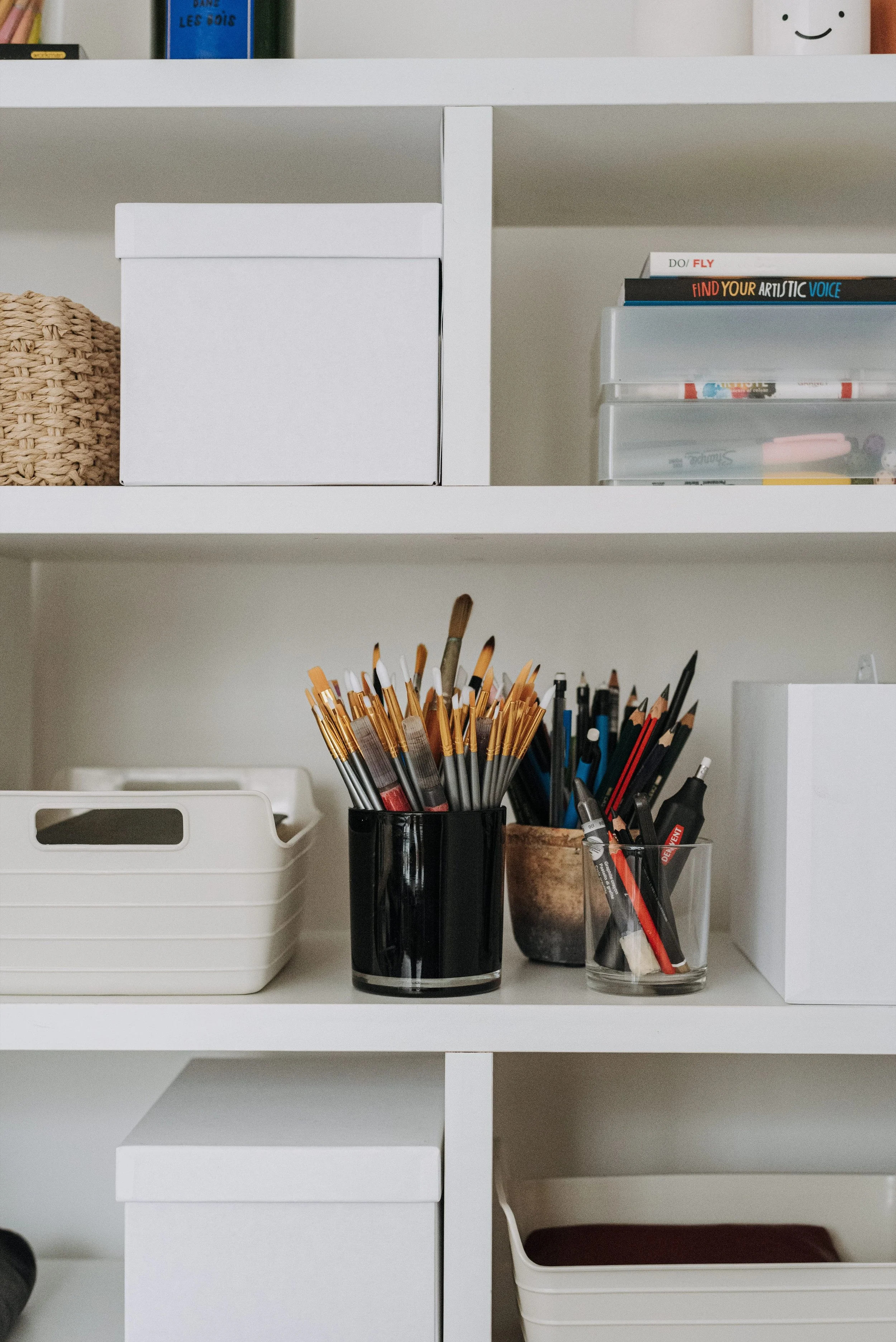
Next, design zones instead of trying to perfect the entire room. A simple creative space often works best when it’s broken into functional areas: a thinking zone, a making zone, and a storage zone. Your thinking zone might be a chair with good lighting and a notebook. Your making zone is your main work surface. Your storage zone holds supplies that aren’t needed every day but should still be easy to access. This reduces friction and keeps your momentum going.
Keep only what supports your current creative life within reach. It’s easy for creative spaces to become storage areas for “someday” projects or forgotten supplies. If an item isn’t contributing to what you’re actively creating now, it doesn’t need to live in your immediate workspace. This isn’t about minimalism—it’s about reducing decision fatigue so you can focus on creating instead of searching or sorting.
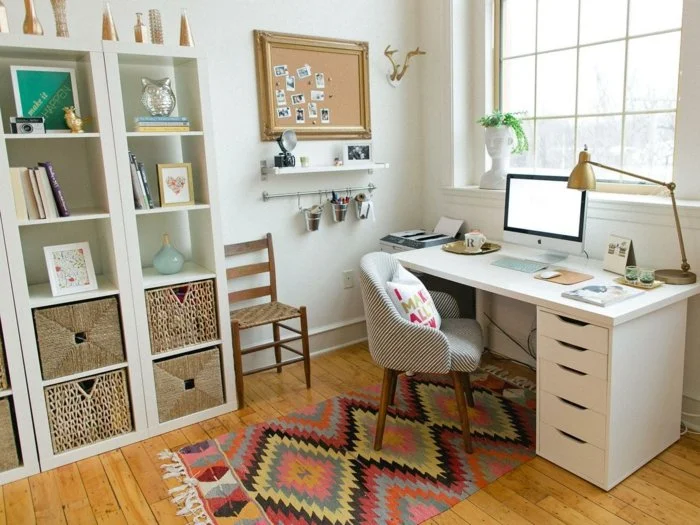
Let your space evolve with you. Creativity is not static, and your environment shouldn’t be either. As your interests, projects, or workflow change, allow your setup to shift as well. A creative space that works with you is one that gets adjusted regularly, even in small ways, to match your current season of work.
Lighting also plays a bigger role than most people realize. Natural light can boost energy and focus, while layered lighting—like a desk lamp paired with softer ambient light—helps you shift between tasks without strain. Think of lighting as part of your workflow, not just decoration. The right lighting can signal to your brain when it’s time to focus, reflect, or create freely.
Finally, remove the pressure for it to look finished. A creative space is meant to be used, not staged. When function leads design, the space becomes something you return to consistently because it feels supportive rather than restrictive. The best creative environments are the ones that quietly disappear into the background while your ideas take center stage.
If you need help with your space, reach out to Julie and let’s get your space where you need it to be.