Small Organizing Changes That Save You Time Every Day
We often think getting organized means tackling an entire closet, cleaning out the garage, or spending an entire weekend decluttering. But some of the most valuable organizing changes are much smaller. The right small changes can save you time every day without requiring a major overhaul of your home.
The goal of organizing isn't perfection. It is creating systems that make everyday life easier. When the things you use regularly are easy to find, easy to put away, and located where you naturally need them, you spend less time searching, moving things around, and making unnecessary decisions. Those few minutes may seem insignificant, but repeated every day, they add up.
Give Everyday Items a Home Where You Use Them. One of the simplest organizing principles is to store things where you actually use them. Many homes are organized according to available storage space rather than daily habits. If you regularly open mail at the kitchen counter, keep your mail supplies nearby. If you charge your phone beside your bed every night, keep the charging cord there. If you take your medications in the morning, make sure the items you need are conveniently located. Pay attention to where you naturally use an item instead of where you think it “should” be stored. Moving something just a few feet can eliminate repeated trips and make a routine much easier.
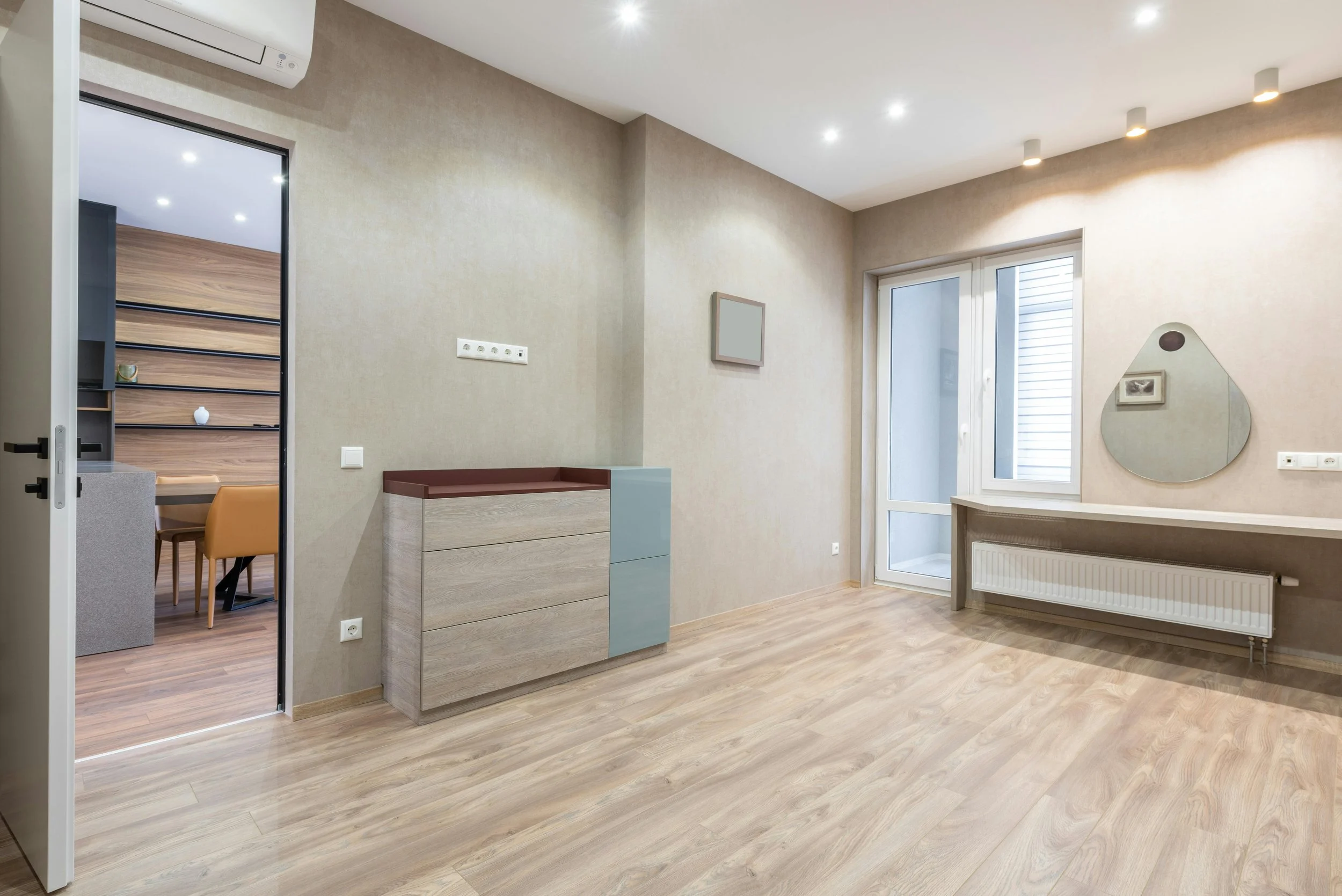
Create a Launch Zone. Mornings can become unnecessarily stressful when you're searching for keys, wallets, sunglasses, work bags, or other essentials. A simple launch zone near the door can reduce that daily scramble. Choose one consistent location for the items you take with you most often. This could be a small basket, tray, hooks, or a designated section of a console table. When you return home, put those items back in the same location. The goal isn't to create a complicated system. It's simply to make tomorrow's departure easier because everything you need is already in one place
Make Frequently Used Items Easier to Reach. Not everything in your home needs to be equally accessible. Items you use every day should be the easiest to reach, while seasonal or rarely used items can occupy less convenient spaces. Look at your kitchen, bathroom, closet, and office. Are you constantly reaching behind other things to get what you use every morning? Are frequently used supplies pushed to the back of a cabinet? Move everyday items to eye level, the front of a shelf, or an easy-to-reach drawer. This simple adjustment can save time without buying a single organizing product.
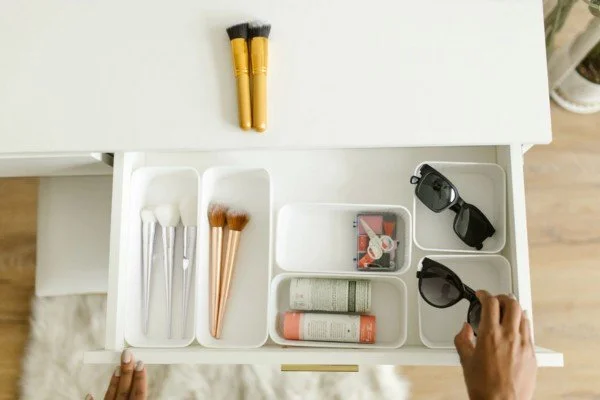
Make Frequently Used Items Easier to Reach. Not everything in your home needs to be equally accessible. Items you use every day should be the easiest to reach, while seasonal or rarely used items can occupy less convenient spaces. Look at your kitchen, bathroom, closet, and office. Are you constantly reaching behind other things to get what you use every morning? Are frequently used supplies pushed to the back of a cabinet? Move everyday items to eye level, the front of a shelf, or an easy-to-reach drawer. This simple adjustment can save time without buying a single organizing product.
Organize Around Activities. Instead of simply grouping similar objects together, consider grouping items according to the task they support. For example, keep gift bags, tissue paper, and cards together if you regularly need them for gifts. Create a small household supply area for items you frequently need for quick repairs. In the kitchen, keep the supplies you use for making coffee together. Think about the activities that require you to gather several things. If you repeatedly walk to different rooms to collect supplies, you've identified an opportunity to create a more efficient system.
Put Things Where the Behavior Happens. One of the biggest organizing mistakes is expecting people to change their habits to fit the system. If dirty clothes consistently land on the bedroom floor, put the hamper where clothes are actually being removed. If mail piles up on the kitchen counter, create a simple mail station there. If shoes collect by the door, give them a designated home nearby. Instead of asking, “Where would this look best?” ask, “Where does this behavior already happen?” Your organizing system should work with your natural habits whenever possible.
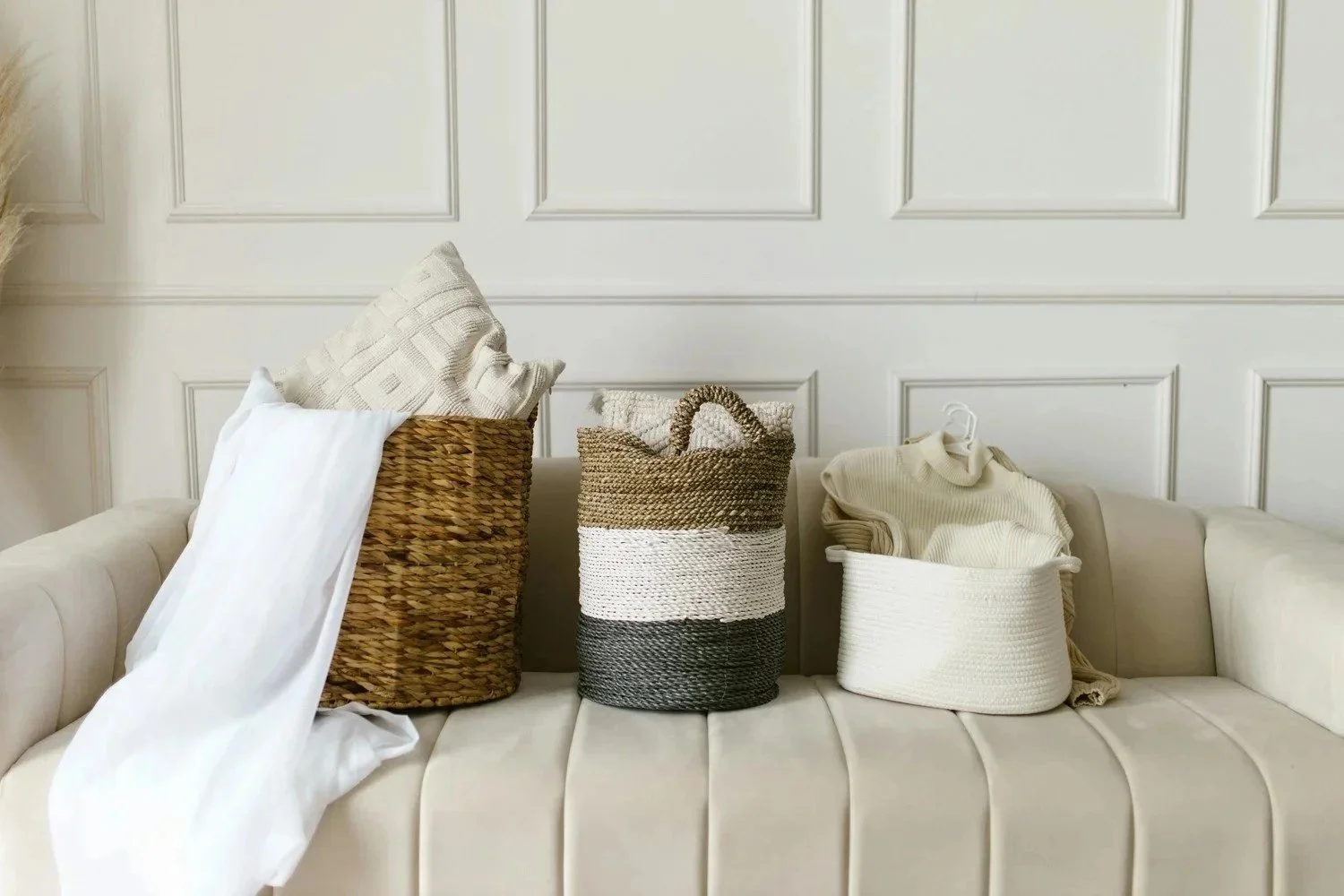
Use a Return Basket. If items regularly migrate from one room to another, a small return basket can save time and reduce unnecessary trips. A basket at the bottom of the stairs, for example, can collect things that need to go upstairs. When you're already heading that direction, take the basket with you and return several items at once. Just remember that the basket is a transportation system, not permanent storage. Empty it regularly so it doesn't become another clutter collection point.
Prepare for Tomorrow Tonight. One of the easiest ways to save time tomorrow is to organize for tomorrow tonight. Take a few minutes to put your bag by the door, prepare lunch items, choose clothing, check your calendar, or place something you'll need in a visible location. You don't have to create a complicated evening routine. Even preparing one or two things ahead of time can make mornings feel less rushed. If you regularly forget something, don't rely entirely on memory. Create a visual reminder or put the item directly in your launch zone. Your environment can help you remember.
Reduce Everyday Decisions. Organization can save mental energy as well as physical time. If you spend several minutes every morning deciding what to wear, make the clothing you wear most often easy to see. If you're constantly deciding what to make for lunch, create a few dependable options. If you repeatedly search for household supplies, keep frequently used items together. You don't need a minimalist home. You simply need to make frequently repeated decisions easier.
Every home has items that don't seem to belong anywhere: a random cord, extra key, instruction manual, or item you're not sure what to do with. Create a small basket for these “decision” items. Then, once a week or month, review it. Decide whether each item needs a permanent home, should be donated, repaired, or discarded. This keeps undecided items from spreading throughout your home.
Don't Forget Digital Organization. Time-saving organization isn't limited to physical spaces. Think about how much time you spend searching for photos, emails, or documents. Create simple folders for frequently accessed information, delete outdated files, and unsubscribe from emails you never read. You don't have to organize everything at once. Choose one digital category that regularly slows you down and improve that system.te a Create a Five-Minute Reset. You don't need an hour every night to maintain an organized home. A five-minute reset can make a noticeable difference. Choose one area and spend five minutes returning things to their homes. Clear the kitchen counter, reset the entryway, straighten the family room, or prepare your workspace for tomorrow. The goal isn't perfection. It's preventing small amounts of disorder from becoming overwhelming.
Small Changes Add Up. Saving time through organization doesn't require a major decluttering project. Often, the biggest improvements come from identifying the small frustrations you experience repeatedly and changing the environment around them. Move something closer. Create a landing spot. Group supplies by activity. Prepare something the night before. Simplify one frequently used space. Give an item a permanent home. These changes may seem small, but repeated every day, they can make a significant difference. The purpose of organizing isn't simply to have a neat-looking home. It's to create an environment that supports the way you actually live. When your surroundings work with you instead of against you, everyday tasks become easier, routines become smoother, and you gain something valuable that everyone could use more of: time.
The next time you feel like you need to “get organized,” don't ask what entire room you should tackle. Ask a simpler question: What small change would make tomorrow easier?