Why We Struggle to Let Go: The Psychology Behind Our Possessions
Letting go of physical belongings sounds simple — until you try to do it. As a professional organizer, I see this every day: smart, capable people who feel stuck, overwhelmed, or even ashamed because they can’t part with items, they no longer use. The truth is that clutter isn’t about laziness or lack of discipline. It’s deeply tied to our emotions, identities, and the stories we tell ourselves.
Understanding why we hold onto things is the first step toward releasing them with confidence and compassion.
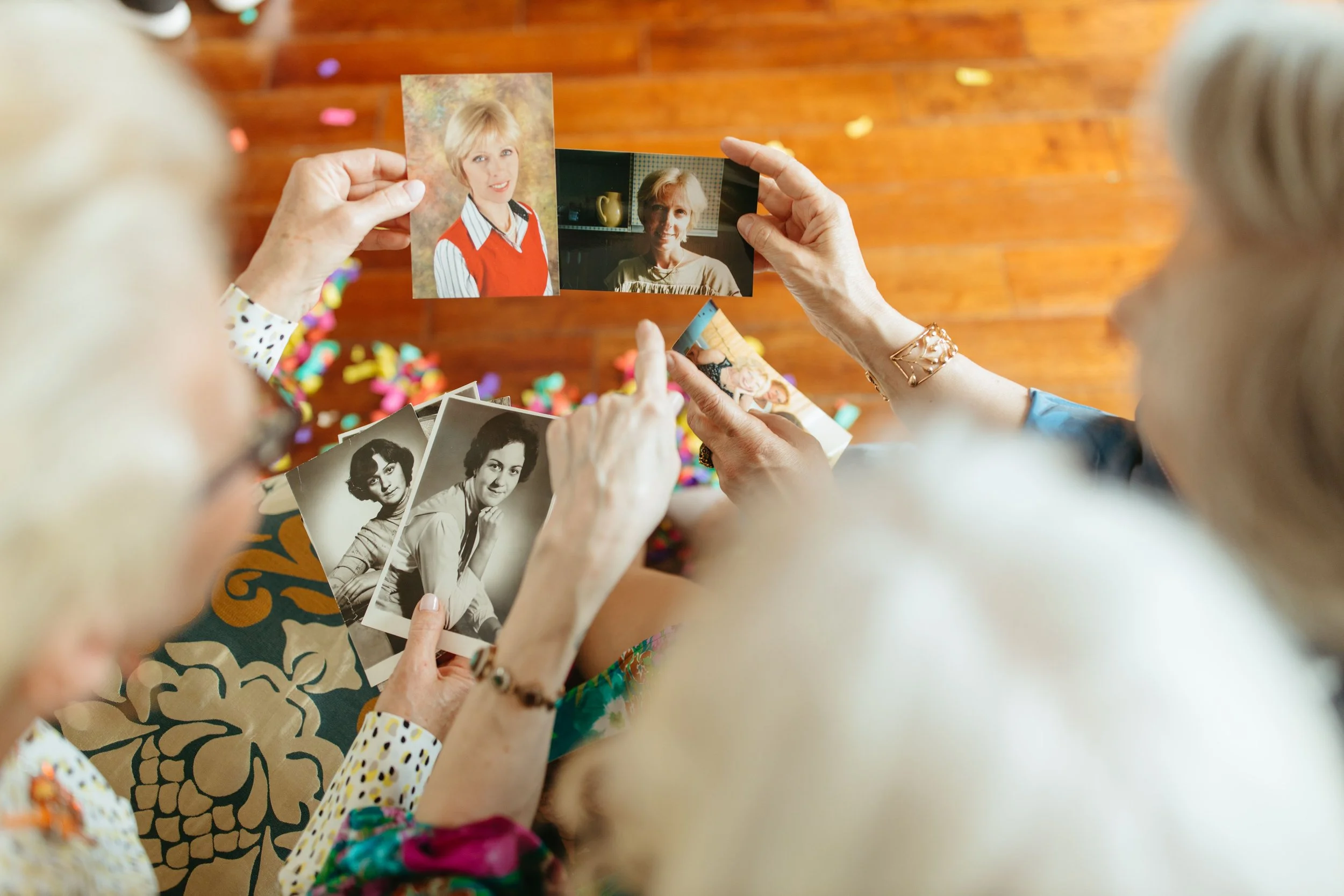
We keep things because they hold our memories and one of the strongest psychological ties to clutter is sentimentality. Objects become symbols of moments, relationships, or versions of ourselves we don’t want to lose. A child’s artwork, a grandparent’s sweater, a concert ticket — these items feel like anchors to the past.
But here’s the key: the memory lives in you, not in the object.
When we learn to separate emotional values from the physical item, we can honor the memory without keeping every artifact attached to it
We hold onto things for “Just in Case”. This is clutter rooted in fear such as fear of scarcity, fear of waste, fear of future regret. You might keep extra cables, old kitchen gadgets, or clothes that no longer fit because “I might need this someday.”
This mindset often comes from past experiences: growing up with limited resources, living through financial hardship, or being taught to save everything “because you never know.”
The challenge is that “just in case” rarely arrives. Instead, these items take up space, create stress, and reinforce the idea that you don’t have enough, even when you do.
Guilt keeps us holding because guilt is a powerful driver of clutter. Gifts you don’t like, items you spent too much money on, things you inherited but don’t use all carry emotional weight.
You might think: “I should keep this because someone gave it to me.” “I spent good money on this, so I can’t get rid of it.” “If I let this go, I’m letting go of the person who owned it.”
But keeping something out of guilt doesn’t honor the giver, the purchase, or the person. It only burdens you.

We hold onto things because they represent who we wish we were aspirational clutter is incredibly common. These are items tied to the version of yourself you hope to become: craft supplies for projects you never start, fitness equipment you don’t use, books you feel you should read, clothes for a lifestyle you don’t actually live.
Letting go of these items can feel like admitting failure — but it’s actually an act of self-awareness. Releasing what no longer fits your life makes room for what truly supports who you are today.
We keep things because clutter feels familiar for some people and clutter provides comfort. It creates a sense of safety, identity, or control. If you grew up in a cluttered home, a full environment may feel normal. If you’ve experienced instability, having “more” can feel protective.
Letting go isn’t just about clearing space, it’s about redefining what safety and comfort look like.
Letting go is a skill, not a personality trait and the ability to release items isn’t something you’re born with, it is something you learn. Like any skill, it gets easier with practice.
Here are gentle ways to start: Choose one small category at a time. Keep the best, not the most. Take photos of sentimental items. Remind yourself that your home should support your life, not store your past.
Letting go isn’t about losing. It’s about choosing what truly matters.