We often think of clutter as a purely physical problem—a stack of unread mail on the counter, a closet bursting at the seams, or a junk drawer that no longer closes. We tell ourselves we just need a better organizational system or a free weekend to sort through it all. However, clutter is rarely just about the stuff. Beneath the surface of a messy room lies a heavy, silent psychological toll. The physical items we accumulate carry an invisible emotional load that drains our mental energy, fuels anxiety, and keeps us anchored to the past.
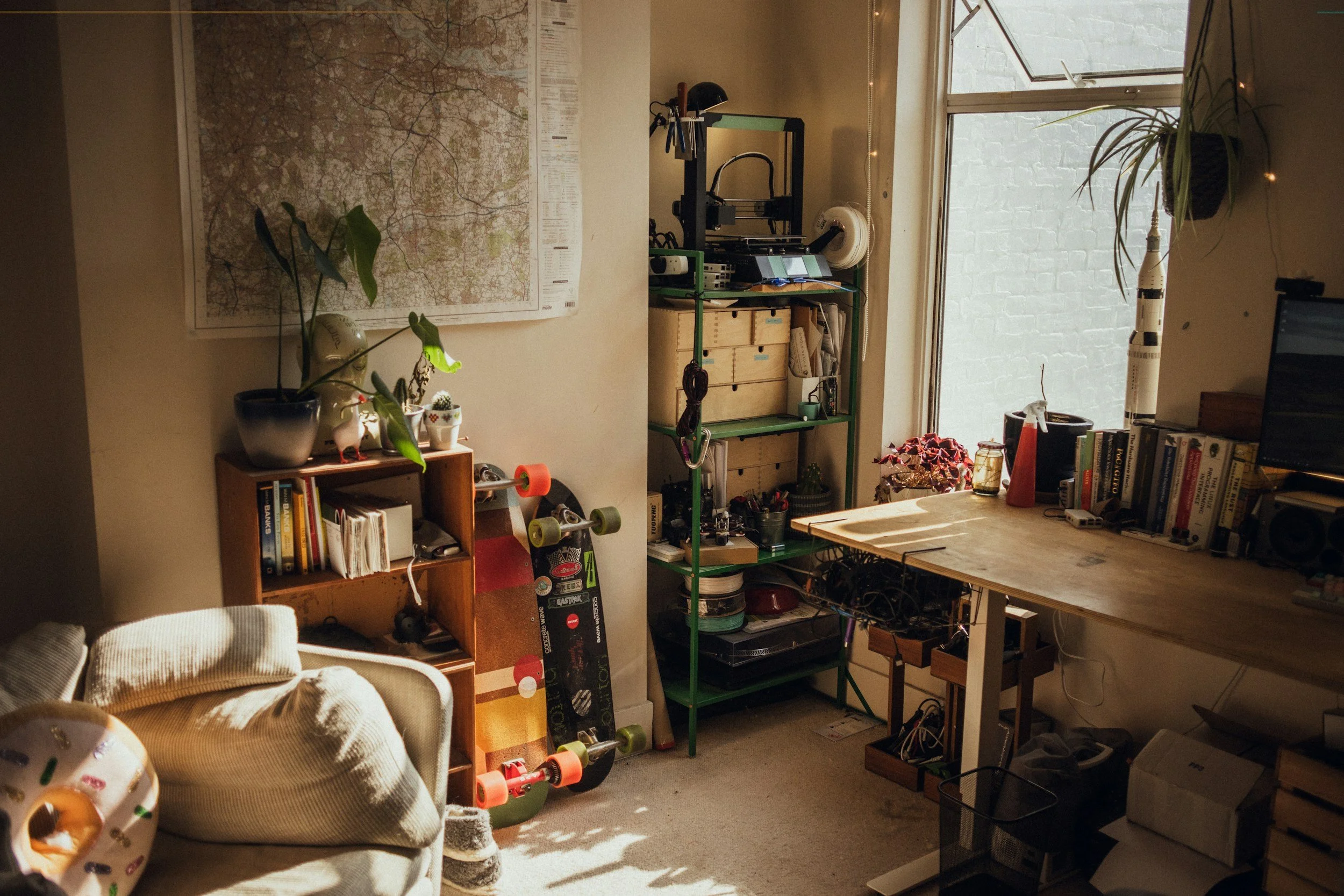
To understand why clutter feels so heavy, we have to look at how our brains process our surroundings. Visual chaos bombards our senses with continuous stimuli, forcing our minds to work harder to filter out distractions. This sensory overload triggers the chronic production of cortisol, the body’s primary stress hormone. When your home is filled with unfinished tasks—like a pile of clothes to mend or boxes left unpacked—your brain registers those items as unfulfilled demands. Every glance at the mess acts as a subtle, nagging reminder of what you should be doing, leading to a persistent state of low-grade anxiety and mental fatigue.
Beyond sensory distractions, clutter is often a physical manifestation of unresolved emotions. Every object we hold onto carries a story, and those stories can evoke complicated feelings:
The Guilt of Waste: We keep expensive items we never use because throwing or giving them away feels like admitting to a financial mistake.
The Weight of the "Ideal Self": We hoard unread books, unused exercise equipment, or craft supplies for hobbies we haven’t started, because letting them go feels like abandoning the person we wish we were.
The Trap of Sentimental Attachment: We hold onto gifts we don't like or items from past relationships out of fear that discarding the object means erasing the memory or hurting someone else's feelings.

When our living spaces are crowded with these emotional anchors, we lose the ability to present ourselves fully in the current moment. Home should be a sanctuary—a place to rest, recharge, and find comfort from the outside world. But when clutter takes over, the home becomes a source of tension instead of peace. It can even lead to social isolation, as the shame of a messy house prevents us from inviting friends or family over, chipping away at our support systems.
Breaking free from the emotional load of clutter requires a shift in perspective. True decluttering isn't just about throwing things away; it is an act of self-care. It involves gently confronting the emotions attached to your belongings and recognizing that your worth is not defined by what you own. By clearing out the physical objects that no longer serve you, you aren't just cleaning a room—you are reclaiming your mental clarity, lowering your stress, and creating space for new possibilities to breathe.
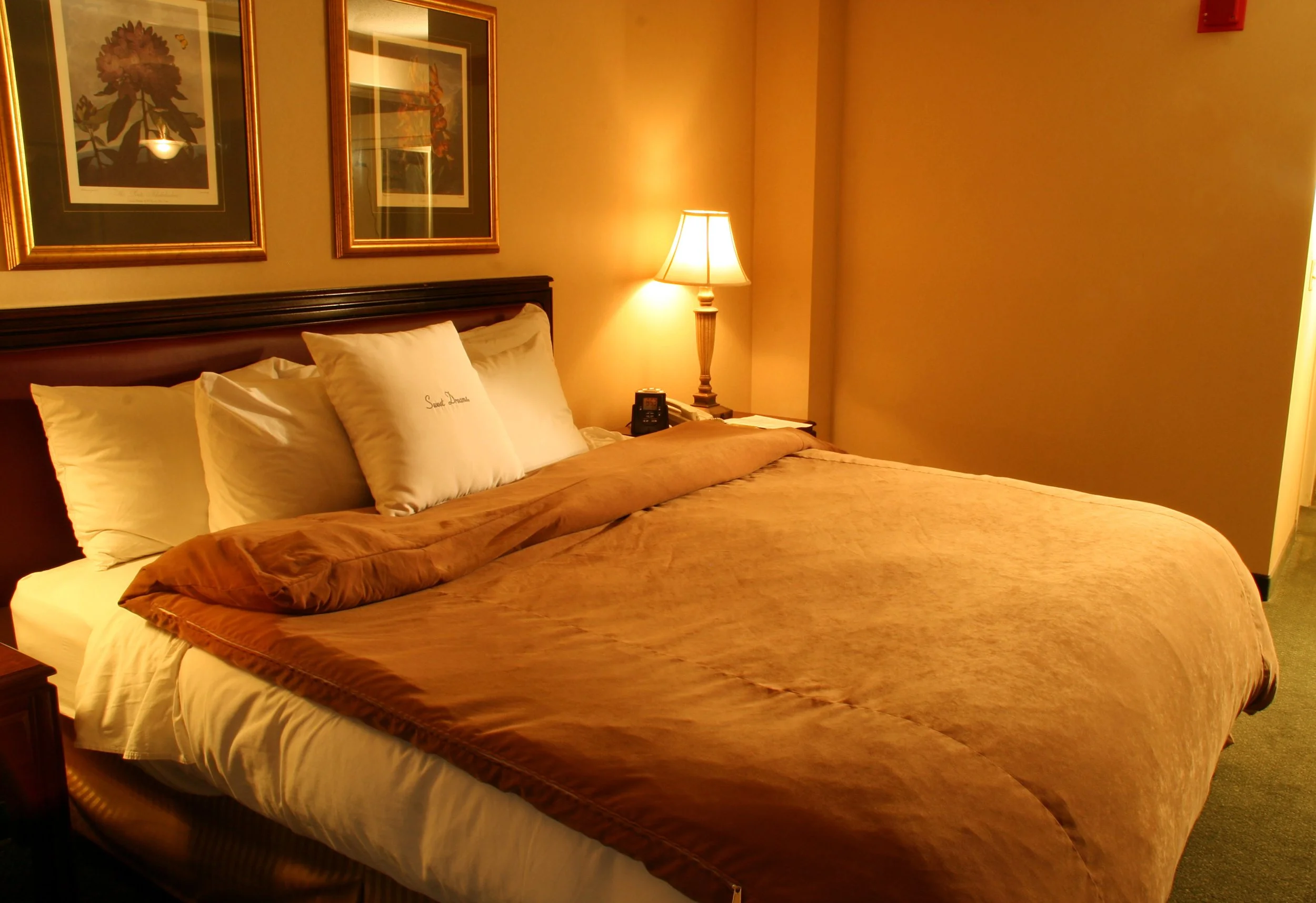
To transition from understanding the mental weight to taking action, the key is to bypass the emotional paralysis by starting incredibly small. Instead of targeting an entire room, choose a single, low-stakes micro-zone—like one shelf, a single drawer, or even just the surface of your bedside table. Set a timer for a non-threatening duration, such as ten or fifteen minutes, and give yourself full permission to stop when the alarm sounds. Approaching the task in these bite-sized intervals prevents your nervous system from going into fight-or-flight mode, turning a monumental psychological hurdle into a series of easily achievable, momentum-building victories.
As you sort through these small areas, look at your belongings through the lens of who you are today rather than who you used to be or might become. Ask yourself gentle but clarifying questions: Does this item support my current life? If it were lost in a fire, would I actively spend money to replace it? If an item triggers immediate guilt or obligation, acknowledge that feeling, thank the object for its past utility, and consciously choose to let it go. By shifting the goal from "getting rid of things" to "making room for your peace of mind," decluttering transforms from a punishing chore into a powerful, liberating practice of self-care.
If you need help getting started, reach out to Transformare Organizing. We would love to help you get over the hump and feel better about all your spaces.